
 Featured
5 days
Featured
5 days
Mountain
Mount Kenya
Summit trekking, acclimatisation, and routes tailored to your dates.
Overview
Route notes, terrain, and what to expect.
Mount Kenya is Africa’s second-highest massif: glacier-carved valleys, afro-alpine moorlands, and classic trekking routes. Below is the full set of treks and linked highland experiences we publish for this peak.
Exploring Majestic Mount Kenya:
INTRODUCTION
Mount Kenya, Africa’s second-highest mountain, stands proudly on the equator, offering a breathtaking mix of natural beauty, ecological diversity, and cultural heritage. Each trekker's day begins with clear blue skies and mild temperatures near 25°C in the lower regions, gently cooling to about 10°C as one ascends. As the sun climbs, the land warms, triggering a rise in mist and clouds by mid-morning, often shrouding the summits in a swirling dance of fog. This phenomenon is influenced by thermal air movements, which intensify morning breezes and moderate afternoon temperatures. As dusk approaches, the land cools, skies clear, and the high peaks reveal themselves once more. At elevations above 3,000 meters, nights are cold and can plummet to –10°C, especially during cloudless starlit nights. This regular cycle of heating and cooling, driven by altitude and sun position, shapes the rhythm of the mountain.
PLANT LIFE
Mount Kenya's slopes host a remarkable array of plant species, ranging from lush bamboo groves to hardy alpine herbs. As one climbs higher, the greenery transitions from thick montane forests to a unique highland ecosystem of giant groundsels, tussock grass, and towering lobelias. Particularly around 3,400 meters and above, the terrain transforms into moorland and alpine zones teeming with specialized plants that have adapted to thrive in cold, thin air and intense sunlight. Above 3,800 meters, the vegetation thins, giving way to open alpine deserts where only the toughest species survive. This ever-changing plant world is a signature feature of Mount Kenya, offering a rare glimpse into tropical alpine biodiversity.
CULTURAL SIGNIFICANCE
Centuries ago, the slopes of Mount Kenya were settled by communities such as the Kikuyu, Meru, Embu, and others, who were drawn by the rich soils and dependable rainfall for farming. These groups developed deep cultural ties to the mountain, particularly the Kikuyu, who viewed it as the dwelling place of their deity, Ngai. They named it Kirinyaga, or “the shining mountain,” reflecting its snow-capped peaks. Access to the sacred mountain was once reserved for elders, who performed rituals and laid their dead to rest facing the summit. Other communities, like the Kamba and Maasai, also revered the mountain, each giving it unique names and stories that underscored its spiritual significance.
WHY CLIMB MOUNT KENYA?
Unlike any other mountain in East Africa, Mount Kenya offers a perfect blend of adventure, solitude, and raw beauty. It’s less crowded than Kilimanjaro and offers multiple routes with varying levels of challenge, from the gentle Naro Moru to the scenic Sirimon or the demanding Chogoria. Its glacial valleys, alpine lakes, rock spires, and wildlife sightings, including hyrax, sunbirds, elephants, buffalos, make every step a discovery. Climbing Mount Kenya is not just about reaching the summit; it's a personal journey through one of nature’s masterpieces, shaped by ice, fire, and time.
Safaris & experiences: Mount Kenya
These treks and highland experiences are the ones we publish for Mount Kenya. Open any card, or use the list below, for the full itinerary. We publish 12 active journeys for this peak. Open any card, or use the list below, for the full day-by-day experience page.
Featured
5 days
 Featured
5 days
Featured
5 days
 Featured
7 days
Featured
7 days
 3 days
 4 days
 4 days
 5 days
 5 days
 7 days
 Featured
5 days
Featured
5 days
 5 days
 5 days
Safaris in Kenya
Safari styles linked to this mountain in the same country.
5-Day Mount Kenya Northern Vistas: The Panoramic Timau Route
5 Days
Open safari →
5-Day Mount Kenya Rugged Wilderness: The Untamed Kamweti Route
5 Days
Open safari →
5-Day Mount Kenya Wilderness Trek: The Untamed Burguret Route
5 Days
Open safari →
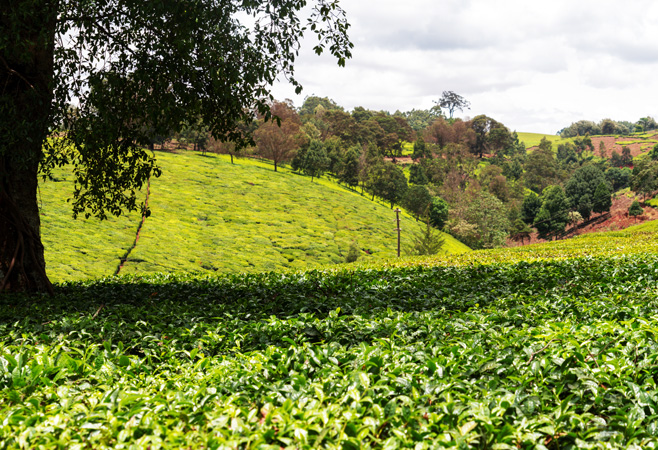
5-Day Mt. Kenya Foothills Heritage: Cultural & Agritourism Experience
Open safari →
The Express Alpine Challenge: The 3-Day Naro Moru-Naro Moru Route on Mount Kenya
3 Day
Open safari →
The Ultimate 1-Day Hell's Gate & Naivasha Safari Itinerary
1 Day
Open safari →
The Ultimate 5-Day Mount Kenya Chogoria-Chogoria Route
5 Days
Open safari →
Next step
Plan or ask about this mountain
We will match dates, fitness level, and any add-on safaris so the trip feels right for you.